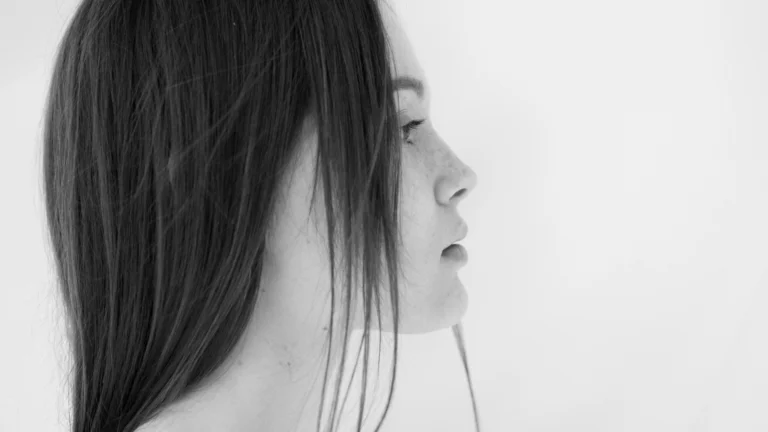


That faint whistling sound, humming, breeze, or bell ringing that begins when you lay your head on the pillow at night… These sounds, which only you hear and which have no external source, are studied in medicine… Tinnitus (Ringing in the Ears) We give it a name.
We often see the same tired expression on the faces of tinnitus patients who come to our clinic. Most patients have been sent home with the explanation, "There is no cure for this, you will have to learn to live with this sound," leaving them to cope with insomnia, concentration problems, and even depression. However, as an ENT specialist, I must state that; Tinnitus is not a disease itself, but rather a cry for help from another underlying problem. And when we identify that root problem, the ringing stops being an inevitable fate.
What are the most common causes of tinnitus?
Finding the cause of tinnitus requires detective work. Sometimes a very simple problem that can be solved in seconds is the cause, while other times more detailed tests may be necessary. The most common causes we encounter are:
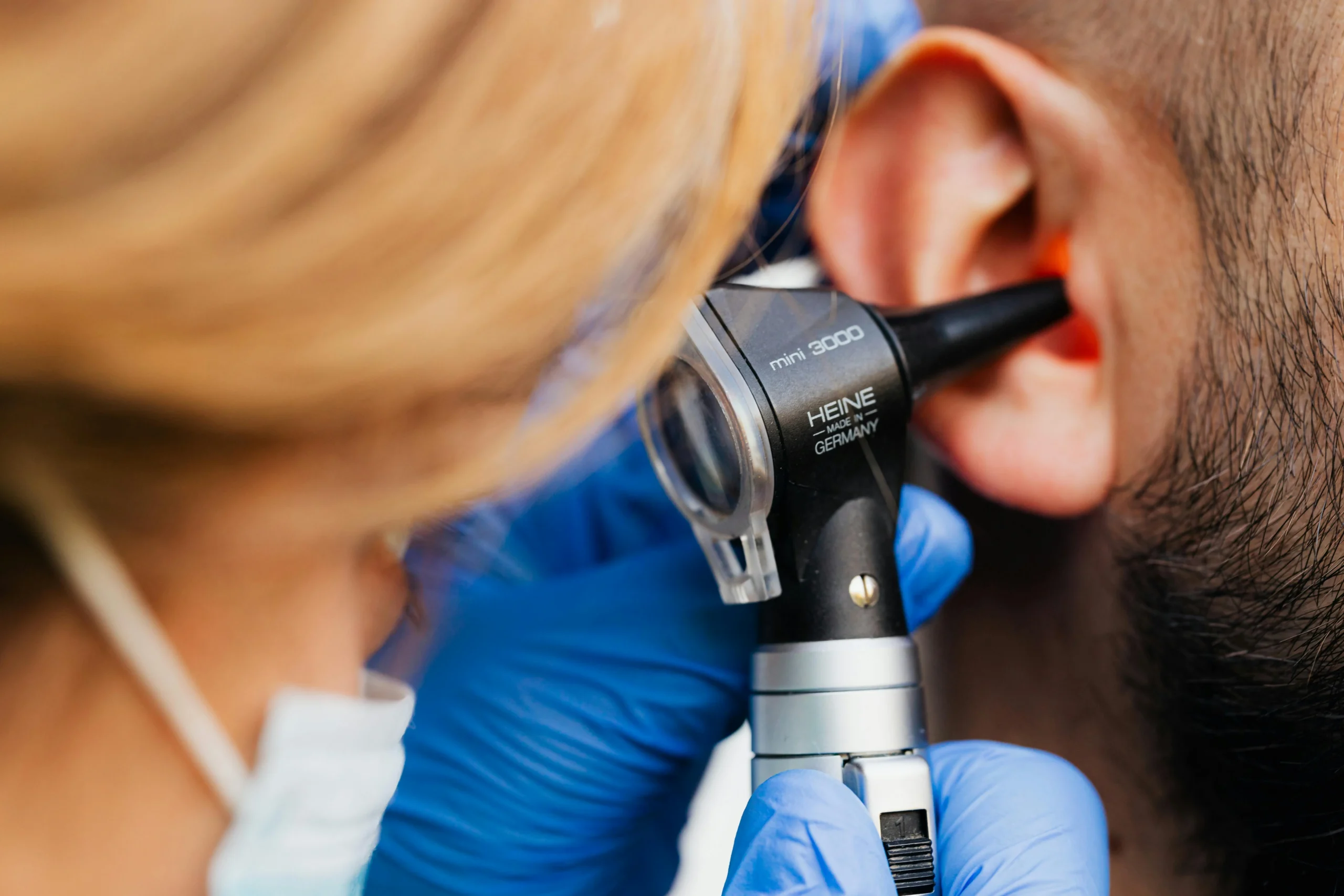
- Earwax (Cerumen): This is the most innocent and easily resolved cause. Hardened earwax that accumulates in the outer ear canal and puts pressure on the eardrum can cause severe tinnitus and buzzing.
- Noise Exposure (Acoustic Trauma): Listening to loud music through headphones, attending concerts, listening to gunshots, or working in noisy factory environments can damage the delicate hair cells in the inner ear, leading to permanent tinnitus.
- Middle Ear Problems: Fluid accumulation in the middle ear, eardrum perforations, or calcification of the middle ear ossicles (otosclerosis).
- Age-Related Hearing Loss (Presbycusis): Especially after the age of 60, tinnitus begins along with the inability to hear high-pitched sounds due to the aging of the auditory nerves. The brain tries to fill those frequencies it cannot hear with a "ringing" sound that it produces itself.
- Other Systemic Causes: Neck herniation, temporomandibular joint (TMJ) problems, high blood pressure, thyroid disorders, anemia, or side effects of certain medications (such as high-dose aspirin).
“The "You'll Have to Live With It" Myth and Modern Treatment Approaches
There is no "one magic pill that fits everyone" in tinnitus treatment. However, this never means you are hopeless. In the modern ENT approach, here are the steps we follow to reduce the severity of tinnitus and restore your quality of life:
- Detailed Audiological Evaluation: First, we create a map of the inner ear and auditory nerves by conducting a comprehensive hearing test (audiometry).
- Treating the Underlying Cause: If the problem is earwax buildup, a middle ear infection, or an eardrum problem, the tinnitus usually disappears when the underlying issue is resolved through surgical or medical intervention.
- TRT (Tinnitus Retraining Therapy) and Masking: If the cause of tinnitus is inner ear damage or hearing loss, we use specially programmed hearing aids or “masking” devices. These devices deliver soothing “white noise” sounds to the ear, such as the sound of ocean waves or rain, allowing the brain to forget (reprogram) the tinnitus sound.
- Stress Management: Stress, fatigue, and caffeine consumption are major fuels for tinnitus. Focusing on the tinnitus amplifies it; breaking this vicious cycle is the most important part of treatment.
A Return to Quiet and Peaceful Nights
Remember, tinnitus is a signal from your brain. Instead of ignoring this signal, finding its source will help you protect your hearing health and regain that peaceful silence you've lost.
If you are having trouble falling asleep and are disrupting your daily life due to tinnitus, you can schedule an appointment at the ENT Clinic of Medical Park Bahçelievler Hospital and contact us for a detailed ear examination and audiological evaluation.