


Aesthetic and Oncological Solutions for Suspicious Spots on Your Face: Head and Neck Skin Cancer Surgery
Seeing a mole or sore on your face, nose, or earlobe that doesn't heal, bleeds, or changes shape can be frightening. In head and neck skin cancers, the biggest concern is the scarring that will remain on the face after the cancer is removed. At our clinic, we use advanced "Flap (Tissue Shifting)" techniques to completely remove cancerous cells without leaving any risk behind, preserving the natural anatomy of your face, allowing you to look in the mirror and at life again with confidence.
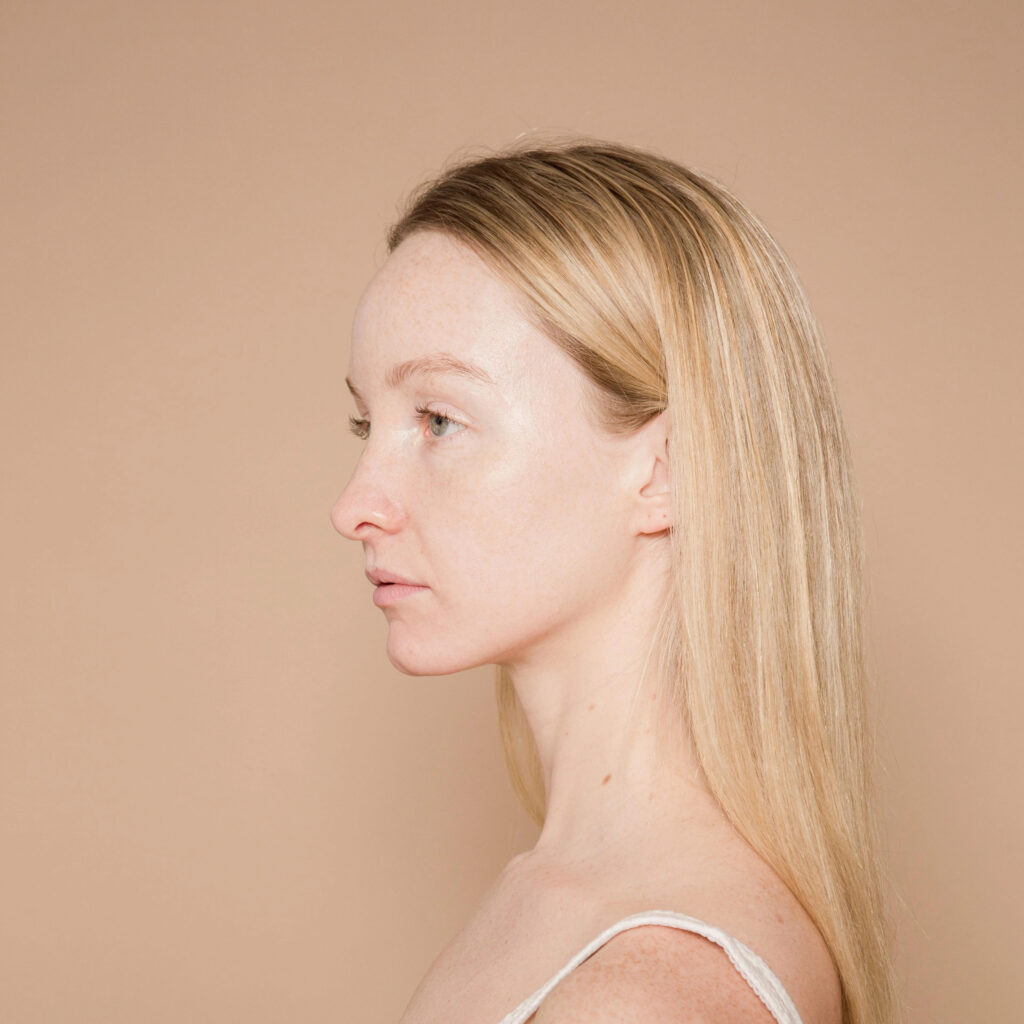
How are Head and Neck Skin Cancers Diagnosed, and Why is Their Surgery Specialized?
Our head and neck region (especially the bridge of the nose, earlobes, lips, and forehead) is the area most exposed to the sun's harmful UV rays over the years. Therefore, skin cancers such as Basal Cell Carcinoma (BCC), Squamous Cell Carcinoma (SCC), or Melanoma most frequently occur in these areas. Initially, they may appear as a harmless pimple, a small, crusting sore, or a mole whose color/border changes. Surgery (excision) of facial skin cancers requires a much different level of expertise than removing a lump from your back or arm. This is because the goal is not just to remove the cancer; it's also to repair areas that need to be perfectly shaped and aesthetically flawless, such as the eyelid, nostril, or lip corner, without disrupting their facial expressions, form, and symmetry.
- Those who have wounds on their face, neck, or scalp that haven't healed for weeks, that scab over, and bleed again.
- Those who experience a sudden growth, change color (black/brown/red), or irregular borders of an existing mole (nevus) on their body.
- Those who notice pearly, sunken bumps on areas heavily exposed to the sun, such as the nose, ears, or lips.
- Patients who have been diagnosed with skin cancer and are afraid of having an unsightly surgical scar on their face after the tumor is removed.
- High-risk individuals with fair skin, light-colored eyes, a history of severe sunburns, and the development of new skin lesions.
The goal of facial surgery is not just to beat cancer, but to preserve your identity and self-expression.
Bir hastam burnunun ucundaki veya yanağındaki şüpheli bir lezyonla polikliniğime geldiğinde, aklındaki en büyük sorunun ‘Yüzümde çukurluk veya korkunç bir iz kalacak mı?’ olduğunu bilirim. Dr. Nurten Küçük olarak baş-boyun cilt kanserlerine yaklaşımım iki aşamalı bir sanattır. İlk aşamada, hastamı kanserden %100 kurtarmak için lezyonu güvenli cerrahi sınırlarla milimetrik olarak temizlerim. İkinci ve en hassas aşamada ise, oluşan boşluğu kapatmak için basit dikişler atıp cildi germek yerine, yüzün kendi doğal çizgilerinden (kıvrımlarından) kaydırdığım komşu sağlıklı dokuları (lokal flepler) kullanırım. Bu sayede kanseri vücuttan atarken, hastamın mimiklerini, yüz simetrisini ve o doğal ifadesini kusursuzca korumuş olurum.
Dermatoscopic Analysis and Biopsy
Suspicious lesions or moles are examined using specialized magnifying light systems. If deemed necessary, a very small sample (biopsy) is taken under local anesthesia to determine the type and depth of the cancer in the laboratory.
Excision with Safe Margins
The procedure is usually performed in an outpatient setting under local anesthesia (numbing only the affected area). The cancerous tissue is completely removed along with a few millimeters of surrounding healthy tissue to prevent recurrence of the disease.
Aesthetic Flap (Tissue Shifting)
The space created by the removal of the tumor is closed by sliding healthy tissue from the immediate vicinity or from the aesthetic contours of the face (such as the smile line) using special techniques. Scars are concealed within natural lines.
Frequently Asked Questions
Are all moles on my face that are growing or bleeding cancerous?
No, not all moles are cancerous. Even innocent moles on our skin can bleed and swell when irritated, rubbed by clothing, or accidentally scratched. However, a mole becoming asymmetry (changed shape), its borders becoming blurred, containing multiple colors, being larger than 6 millimeters (more than a pencil eraser) in diameter, and turning into a constantly crusting and bleeding sore are very serious signs that should alert us to the possibility of melanoma or other skin cancers.
Will the scars on my face be very noticeable after the surgery?
The greatest advantage ENT specialists have in head and neck surgery is their deep understanding of facial anatomy and the natural skin folds we call "Langer lines." Incisions and sutures are always made parallel to your face's natural lines (forehead wrinkles, nasolabial folds, ear folds, etc.), and the finest, most aesthetically pleasing threads are used. Although there may be slight redness in the first few weeks, within months these marks disappear within your natural facial lines, becoming almost imperceptible from the outside.
Can cancer reappear in the same place after it has been removed?
The most important factor determining the risk of recurrence (relapse) in skin cancers is how correctly the initial surgery was performed. When removing the tumor, a small amount of healthy tissue (3-5 millimeters or more, depending on the type of cancer) is also removed from around the tumor to ensure that no cancer cells remain that are not visible to the naked eye. This is called a "safe surgical margin." When the cancer is removed according to these rules, the likelihood of it recurring in the same place is extremely low.
Do I need to have general anesthesia and be hospitalized for this procedure?
Vakaların çok büyük bir çoğunluğunda (%80-90) hayır. Yüz, burun veya kulaktaki çoğu cilt kanseri eksizyonu, tıpkı diş hekiminde olduğu gibi sadece o bölgenin ince bir iğneyle uyuşturulduğu “Lokal Anestezi” altında, poliklinik veya küçük müdahale odası şartlarında ağrısız bir şekilde yapılır ve hasta işlemden hemen sonra evine/işine döner. Sadece tümör çok büyükse, çok geniş bir doku kaydırması (büyük flep) gerekiyorsa veya hasta çok heyecanlıysa hafif bir uyku hali (sedasyon) veya genel anestezi tercih edilebilir.
Take the first step towards an accurate diagnosis and personalized treatment.
For an initial consultation, examination, and personalized treatment plan, please contact us immediately.