
Ending Peer Bullying and Loss of Self-Confidence: Otoplasty (Ear Correction Surgery) in Children
Don't succumb to the cruel jokes of school-aged children and the resulting deep-seated lack of self-confidence. Otoplasty (ear correction) is not just a physical correction, but a lasting touch that saves your child's future psychology and social life. By bringing the ear cartilage to its natural angle with suturing techniques hidden behind the ear, we give your child the gift of a school life where they can freely wear their hair and feel comfortable in front of mirrors.
What is Otoplasty (Prominent Ear) Surgery and Why Shouldn't It Be Delayed?
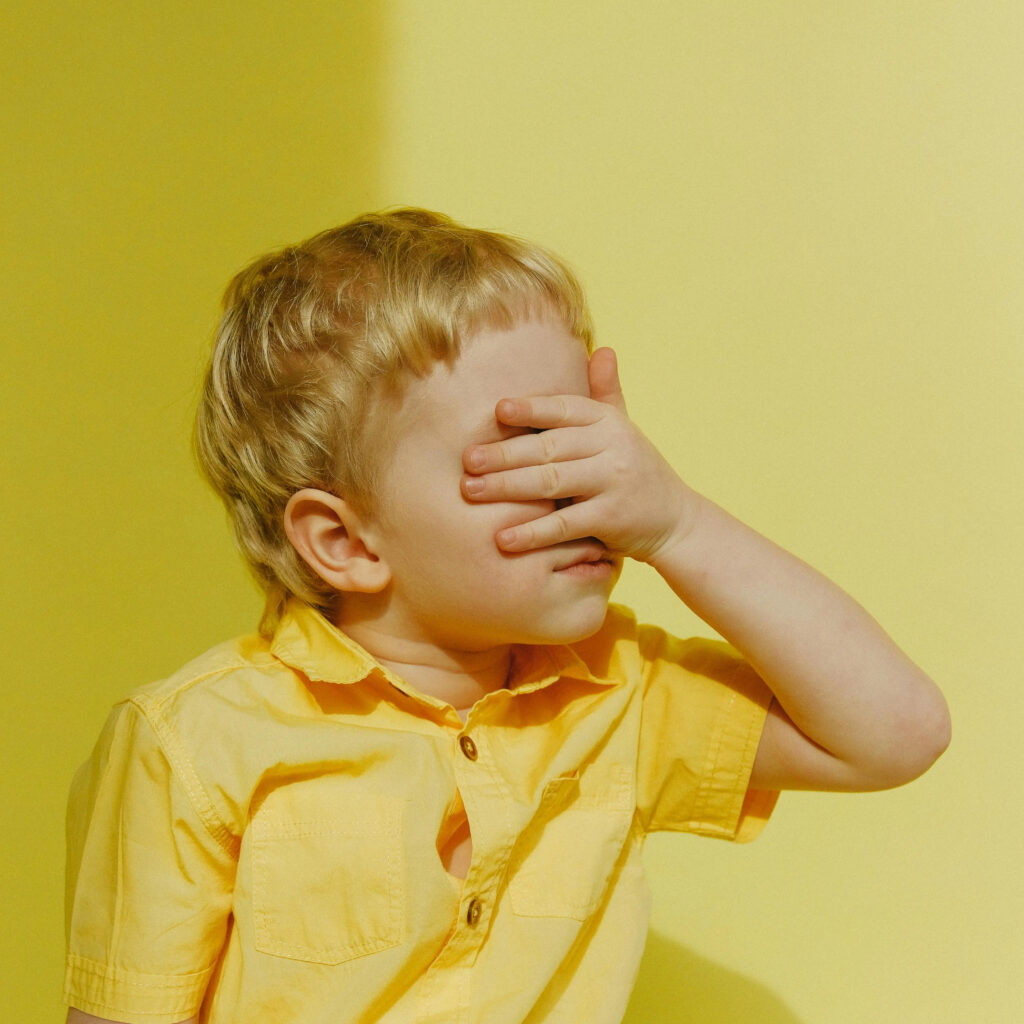
Protruding ears are a condition where the angle between the earlobe and the head is wider than normal, or where the cartilage folds (antielix) do not develop sufficiently in the womb, causing the ear to protrude forward. This is not a disease or hearing problem; it is purely an aesthetic and anatomical difference. However, children, especially those in primary school, can mercilessly mock this physical difference. This situation (peer bullying) can lead to the child's obsession with hiding their ears with their hair, introversion, and a lasting lack of self-confidence. In otoplasty surgery, an invisible incision is made behind the ear, the cartilage tissue is reshaped, and the ear is positioned towards its natural angle with special permanent sutures. Since ear development is largely complete around the age of 5-6, performing this surgery during the "preschool period" is the gold standard for the child's mental health.
- Children with prominent auricles and underdeveloped cartilage folds
- Children who constantly leave their hair down to hide their ears, children who are estranged from mirrors.
- Individuals who are teased (bullied to by peers) because of their ears at school or in their social environment.
- Kulak gelişimi %80-90 oranında tamamlanmış olan 5-6 yaş ve üzeri çocuklar
- It's not just children; adults who have had this aesthetic concern for years and are seeking a permanent solution with local anesthesia are also affected.
Otoplasty (ear reshaping surgery) is more of a psychological rescue operation than a purely aesthetic procedure.
I know very well the shyness in the eyes of children with protruding ears who come to my clinic, and their attempts to hide their ears behind their hair. 'Naturalness' is my biggest red line in surgery. I shape the ear not as if it's glued to the head, but at the exact natural angle it should be, using the cartilage's own flexibility. Because we hide the incision precisely in the crease behind the ear, the surgical scar is never visible from the outside.
Anatomical Analysis and Planning
The missing folds of the ear cartilage and its angle with the head are measured precisely in millimeters. A symmetrical and natural ear angle is designed that best suits the child's facial structure.
Shaping with a Hidden Incision
In children, under general anesthesia (while asleep), the cartilage is softened through a hidden incision behind the ear and fixed in place with permanent aesthetic sutures, angled backward.
Protective Bandage and Healing
For the first few days after surgery, a special bandage is used, and afterwards, a soft 'tennis/hairband', usually worn at night, is used to protect the ear from trauma and ensure its new shape is permanently achieved.
Frequently Asked Questions
What is the most appropriate age (time) for surgery?
Kulak kıkırdak gelişimi 5-6 yaşlarında yetişkin boyutunun %80-90’ına ulaşır. Bu nedenle tıbbi ve psikolojik olarak en ideal zaman, çocuğun ilkokula başlamadan hemen önceki (5-6 yaş) dönemidir. Böylece çocuk, okulda yaşanabilecek muhtemel akran zorbalığıyla ve alaycı tutumlarla hiç karşılaşmadan, sağlıklı bir özgüvenle eğitim hayatına başlar.
Will the ears return to their original (protruding) shape after the surgery?
In modern otoplasty techniques, instead of simply suturing the ear back, the cartilage's own structure (memory) is also reshaped through fine filing/softening procedures, so the risk of the ear returning to its original position (opening) is negligible. However, protecting the ears from impacts in the early postoperative period (especially the first 1-2 months) and regularly using the recommended tennis bandage at night are the greatest guarantee of this permanence.
How long does the recovery process take, and will he have any scarring on his head?
Because the incision is made along the crease behind the ear, there will be no visible scar, even if the hair is completely short or tied back. There may be slight throbbing and swelling (edema) for the first 2-3 days after the procedure, which is easily controlled with pain relievers in syrup form. The child can easily return to normal school or play after about a week; they should only avoid strenuous ball games and sports like wrestling that could twist the ear for a while.
My child is very scared of the surgery; will it be done while they are awake?
Protecting the psychological well-being of our child patients is our top priority. Therefore, for children under 10-12 years old, we prefer to perform otoplasty surgery under light general anesthesia – a form of anesthesia that ensures the child feels nothing, experiences no stress, and sleeps – rather than local anesthesia (numbing with an injection). For adult patients, the procedure can be performed comfortably in an outpatient setting, with only ear anesthesia.
Take the first step towards an accurate diagnosis and personalized treatment.
For an initial consultation, examination, and personalized treatment plan, please contact us immediately.