


Say Goodbye to Perforated Eardrums and Hearing Loss: Tympanoplasty (Eardrum Surgery)
Endless ear discharge, the fear of water getting in your ears while showering, and hearing difficulties are not your destiny. Thanks to eardrum repair using your own natural tissue with microscopic precision, eliminate the risk of infection completely and say hello to the world of sounds again in a healthy and clear way.
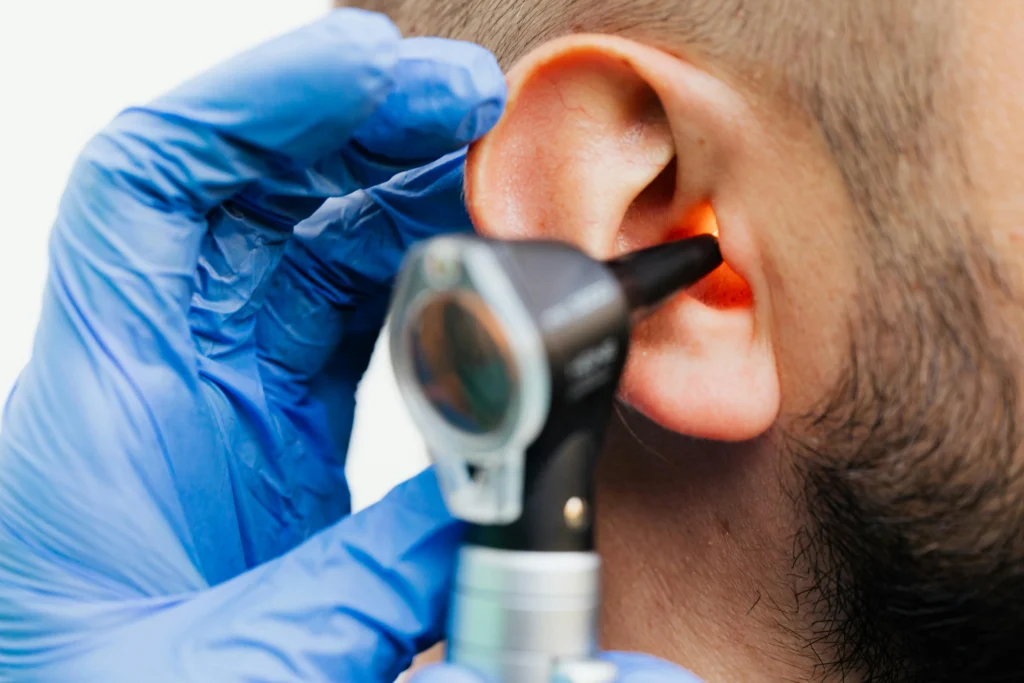
What is Tympanoplasty and Why Shouldn't It Be Delayed?
The eardrum (tympanic membrane) is a vital barrier that collects sound waves from the outside and transmits them to the middle ear, while also protecting the middle ear from bacteria and water in the external environment. Severe ear infections or trauma (severe blows/pressure to the ear) can cause this membrane to rupture. A perforated membrane leads to hearing loss and can also make the ear susceptible to infections, potentially eroding the middle ear ossicles. Tympanoplasty is a surgical procedure in which this perforation is repaired under a microscope using a thin layer of tissue, usually taken from the patient's own fascia or cartilage. This surgery not only improves hearing but its primary goal is to leave the ear dry, free of inflammation, and safe for life.
- Those with a permanent hole (perforation) in the eardrum that does not close spontaneously.
- Those who frequently experience foul-smelling, yellow/green, purulent ear discharge
- Patients who develop "conductive" hearing loss (hearing impairment) due to a hole in the eardrum.
- Those who are constantly afraid of getting water in their ears while bathing or swimming.
- Those who, in addition to a perforated eardrum, are suspected of having erosion or calcification in the ossicles of the middle ear.
The foundation of safe hearing is a healthy and intact eardrum.
The biggest complaint of my patients with perforated eardrums is the constant stress of having to protect their ears while bathing or swimming. As Dr. Nurten Küçük, my primary goal in tympanoplasty surgeries is to permanently isolate the middle ear from the threats of the outside world. We integrate a patch (graft) prepared entirely from your own natural tissues into the damaged area of the eardrum using microsurgical techniques. When we establish a disease-free, dry, and completely sealed middle ear system, the tremendous improvement in hearing quality is the most beautiful reward of this healthy structure.
Microscopic / Endoscopic Surgery
Depending on the location and size of the hole, the surgery is performed using a microscope or high-resolution cameras (endoscope). Instead of large external incisions, the procedure is usually performed through hidden incisions made inside the ear canal or behind the ear.
Natural Repair with Your Own Tissue
No synthetic or foreign material is used to repair the membrane. Because the patch is made using your body's own tissue (cartilage or muscle sheath), the risk of the body rejecting or reacting allergically to the patch is zero.
Healing and Fusion Process
You will generally stay in the hospital for one night after the surgery. Special sponges that dissolve or are removed later are placed in the ear canal. It takes an average of 3-4 weeks for the mesh to fuse with the tissue and fully integrate.
Frequently Asked Questions
Ameliyattan sonra duyma oranım %100 eski (sağlıklı) haline döner mi?
The primary goal of tympanoplasty is to "dry" the ear by eliminating infection. The improvement in hearing depends on the size of the hole in the eardrum and the health of the middle ear ossicles (malleus, incus, stapes). If the ossicles are healthy, a significant and satisfying improvement in hearing is achieved once the patch takes hold.
Can a patched eardrum rupture again in the future?
With successful surgery and good postoperative care, the patch integrates completely with the tissue and the eardrum regains its former strength. However, a very severe new infection, a hard blow to the ear, or severe pressure trauma experienced during air travel (which can perforate a healthy eardrum) can also damage the patch.
How long after surgery can I go swimming in the sea or pool?
It takes approximately 1.5 to 2 months for the patch to fully heal, for a new blood vessel to form, and for the inside of the ear to completely close. Once your doctor confirms, after a microscopic examination, that the eardrum is completely and securely closed, you can safely return to swimming and underwater sports.
In children, does a perforated eardrum close spontaneously, or is surgery necessary?
Small, traumatic perforations (such as minor injuries from cotton swabs) can usually close spontaneously within the first few months. However, large perforations caused by severe infections that persist for months are not expected to heal spontaneously. In this case, surgical repair is necessary to preserve the ear.
Take the first step towards an accurate diagnosis and personalized treatment.
For an initial consultation, examination, and personalized treatment plan, please contact us immediately.